
Merchandise Description
Development hoist elevator security devices SAJ
SAJ serials pinion and cone progressive security unit is the most important protection device in the pinion and rack builders hoist, which can stop the cage working over speed, and properly lessen the cage dropping incident.
The security devices produced by ZheJiang Research Institute of Constructing Sciences has handed by way of the analysis presided by the Ministry of Building in 1989. The professionals at the assembly made a higher appraisal of realistic compact composition, stable motion velocity, highly precise calibration, protected and reputable, braking effortlessly and light excess weight and so forth. features of the safety units.
The products was suggested as hightech products produced in Nationwide Eighth 5 Yr Prepare by the Ministry of Construction, and also gained the ZheJiang outstanding new merchandise prize.
The anti-fall basic safety devcie is constant with China Countrywide Specifications also achieve Hong Kong COP Specifications and Europe EN Specifications.
SAJ40-1.2 is 1 of protection devices for SC200/two hundred. Other security gadget like:
Top and bottom restrict, cage door electrical and mechanical interlock security system, landing door electrica and mechanical interlock, anti-exceeding leading gadget, security hook, anti-overload system, etc.
SC200/two hundred building lifting hoist:
one.Cage capacity: 2000kg
2.Lifting velocity: 33m/min
three.Mast segment: painted or hot galvanized
four.Top: personalized
5.Cage size:3.0×1.5×2.two
Anti-fall safety system are including:
SAJ30-1.2, SAJ30-1.four
SAJ40-1.2, SAJ40-1.4
SAJ50-1.2, SAJ50-1.four
And so forth.
Personnel and materials construction building lifting equipment, development instrument products construction hoist of typical versions:
| Characteristics | Model | Rated Loading | Lifting Speed | Motor Power | |
| Double Cabin |
Low-speed |
SC200/200D | 2×2000kg | 0-33m/min | 2×(3×11kw) |
| SC100/100D | 2×1000kg | 0-33m/min | 2×(2×11kw) | ||
| Mid-speed |
SC200/200Z | 2×2000kg | 0-55m/min | 2×(2×11kw) | |
| SC100/100Z | 2×1000kg | 0-55m/min | 2×(2×11kw) | ||
| Single Cabin |
Low-speed |
SC200D | 2000kg | 0-33m/min | 3×11kw |
| SC100D | 1000kg | 0-33m/min | 2×11kw | ||
| Mid-speed |
SC200Z | 2000kg | 0-55m/min | 2×11kw | |
| SC100Z | 1000kg | 0-55m/min | 2×11kw | ||
###
| Characteristic | Model | Rated Loading | Lifting Speed | Motor Power |
| Double cabin |
SC200/200 | 2×2000kg | 33m/min | 2×(3×11kw) |
| SC150/150 | 2×1500kg | 33m/min | 2×(2×15kw) | |
| SC100/100 | 2×1000kg | 33m/min | 2×(2×11kw) | |
| Single cabin |
SC200 | 2000kg | 33m/min | 3×11kw |
| SC150 | 1500kg | 33m/min | 2×15kw | |
| SC100 | 1000kg | 33m/min | 2×11kw |
| Characteristics | Model | Rated Loading | Lifting Speed | Motor Power | |
| Double Cabin |
Low-speed |
SC200/200D | 2×2000kg | 0-33m/min | 2×(3×11kw) |
| SC100/100D | 2×1000kg | 0-33m/min | 2×(2×11kw) | ||
| Mid-speed |
SC200/200Z | 2×2000kg | 0-55m/min | 2×(2×11kw) | |
| SC100/100Z | 2×1000kg | 0-55m/min | 2×(2×11kw) | ||
| Single Cabin |
Low-speed |
SC200D | 2000kg | 0-33m/min | 3×11kw |
| SC100D | 1000kg | 0-33m/min | 2×11kw | ||
| Mid-speed |
SC200Z | 2000kg | 0-55m/min | 2×11kw | |
| SC100Z | 1000kg | 0-55m/min | 2×11kw | ||
###
| Characteristic | Model | Rated Loading | Lifting Speed | Motor Power |
| Double cabin |
SC200/200 | 2×2000kg | 33m/min | 2×(3×11kw) |
| SC150/150 | 2×1500kg | 33m/min | 2×(2×15kw) | |
| SC100/100 | 2×1000kg | 33m/min | 2×(2×11kw) | |
| Single cabin |
SC200 | 2000kg | 33m/min | 3×11kw |
| SC150 | 1500kg | 33m/min | 2×15kw | |
| SC100 | 1000kg | 33m/min | 2×11kw |
How to Select a Gearbox
When you drive your vehicle, the gearbox provides you with traction and speed. The lower gear provides the most traction, while the higher gear has the most speed. Selecting the right gear for your driving conditions will help you maximize both. The right gearing will vary based on road conditions, load, and speed. Short gearing will accelerate you more quickly, while tall gearing will increase top speed. However, you should understand how to use the gearbox before driving.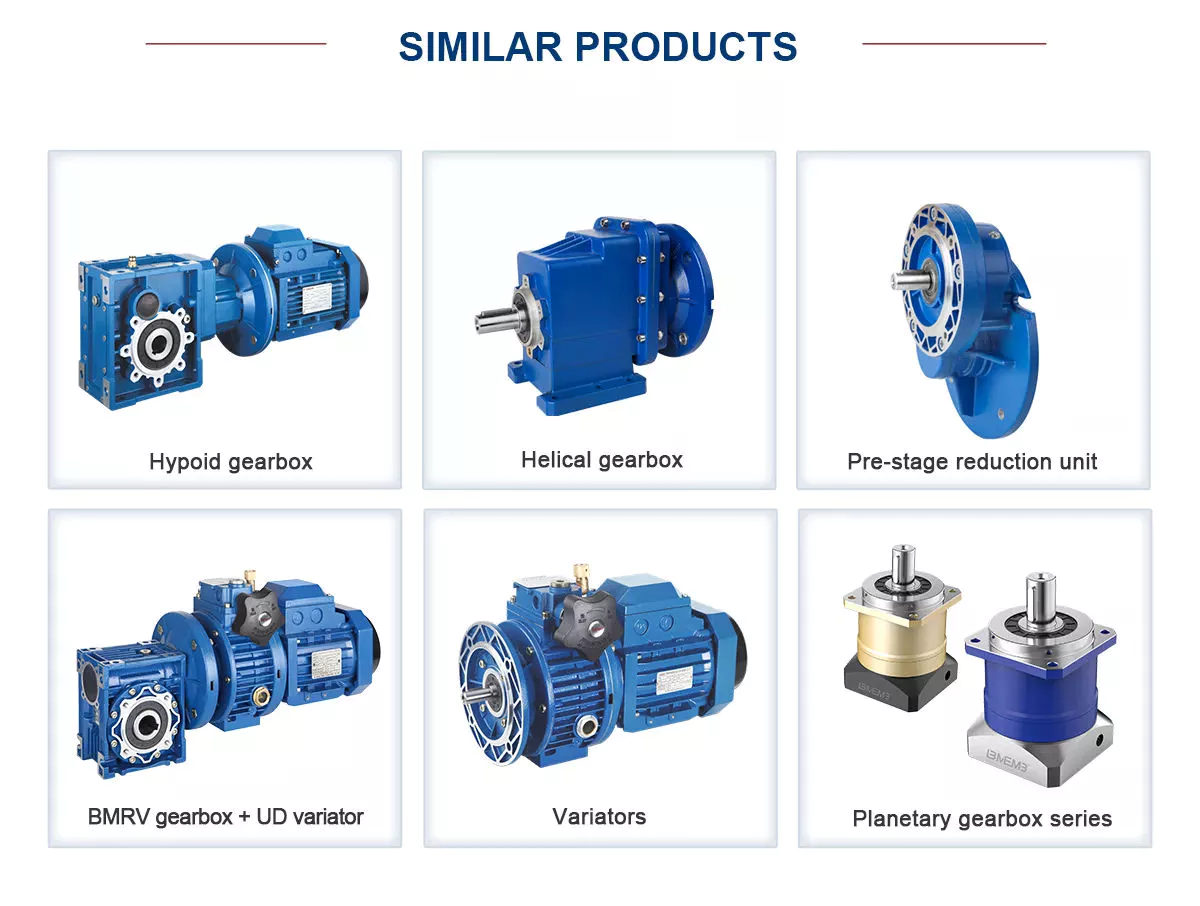
Function
The function of the gearbox is to transmit rotational energy to the machine’s drive train. The ratio between input and output torque is the ratio of the torque to the speed of rotation. Gearboxes have many different functions. A gearbox may have multiple functions or one function that is used to drive several other machines. If one gear is not turning, the other will be able to turn the gearbox. This is where the gearbox gets its name.
The pitch-controlled system has an equal number of failure modes as the electrical system, accounting for a large proportion of the longest machine downtime and halt time. The relationship between mechanisms and faults is not easily modeled mathematically. Failure modes of gearboxes are shown in Fig. 3. A gearbox’s true service life is six to eight years. However, a gearbox’s fault detection process must be developed as mature technology is required to reduce the downtime and avoid catastrophic incidents.
A gearbox is a vital piece of machinery. It processes energy produced by an engine to move the machine’s parts. A gearbox’s efficiency depends on how efficiently it transfers energy. The higher the ratio, the more torque is transferred to the wheels. It is a common component of bicycles, cars, and a variety of other devices. Its four major functions include:
In addition to ensuring gearbox reliability, a gearbox’s maintainability should be evaluated in the design phase. Maintainability considerations should be integrated into the gearbox design, such as the type of spare parts available. An appropriate maintenance regime will also determine how often to replace or repair specific parts. A proper maintenance procedure will also ensure that the gearbox is accessible. Whether it is easy to access or difficult to reach, accessibility is essential.
Purpose
A car’s transmission connects the engine to the wheels, allowing a higher-speed crankshaft to provide leverage. High-torque engines are necessary for the vehicle’s starting, acceleration, and meeting road resistance. The gearbox reduces the engine’s speed and provides torque variations at the wheels. The transmission also provides reversing power, making it possible to move the vehicle backwards and forwards.
Gears transmit power from one shaft to another. The size of the gears and number of teeth determine the amount of torque the unit can transmit. A higher gear ratio means more torque, but slower speed. The gearbox’s lever moves the engaging part on the shaft. The lever also slides the gears and synchronizers into place. If the lever slips to the left or right, the engine operates in second gear.
Gearboxes need to be closely monitored to reduce the likelihood of premature failure. Various tests are available to detect defective gear teeth and increase machine reliability. Figure 1.11(a) and (b) show a gearbox with 18 teeth and a 1.5:1 transmission ratio. The input shaft is connected to a sheave and drives a “V” belt. This transmission ratio allows the gearbox to reduce the speed of the motor, while increasing torque and reducing output speed.
When it comes to speed reduction, gear box is the most common method for reducing motor torque. The torque output is directly proportional to the volume of the motor. A small gearbox, for example, can produce as much torque as a large motor with the same output speed. The same holds true for the reverse. There are hybrid drives and in-line gearboxes. Regardless of the type, knowing about the functions of a gearbox will make it easier to choose the right one for your specific application.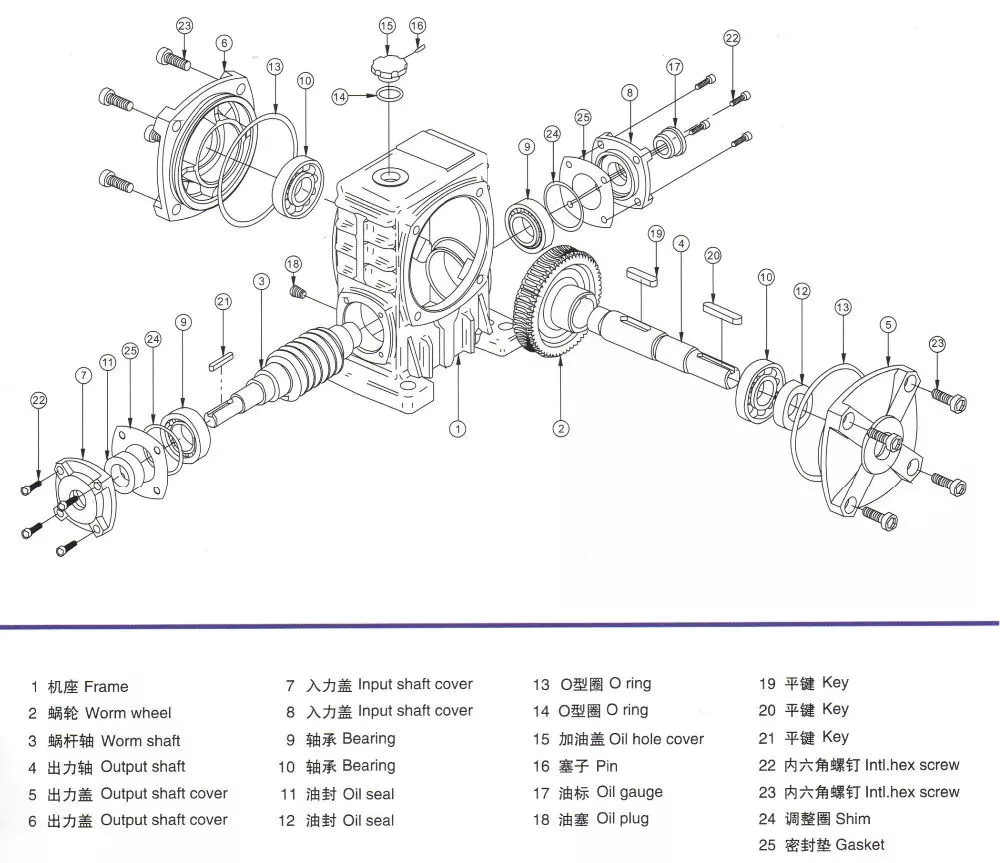
Application
When selecting a gearbox, the service factor must be considered. Service factor is the difference between the actual capacity of the gearbox and the value required by the application. Additional requirements for the gearbox may result in premature seal wear or overheating. The service factor should be as low as possible, as it could be the difference between the lifetime of the gearbox and its failure. In some cases, a gearbox’s service factor can be as high as 1.4, which is sufficient for most industrial applications.
China dominates the renewable energy industry, with the largest installed capacity of 1000 gigawatts and more than 2000 terawatt hours of electricity generated each year. The growth in these sectors is expected to increase the demand for gearboxes. For example, in China, wind and hydropower energy production are the major components of wind and solar power plants. The increased installation capacity indicates increased use of gearboxes for these industries. A gearbox that is not suitable for its application will not be functional, which may be detrimental to the production of products in the country.
A gearbox can be mounted in one of four different positions. The first three positions are concentric, parallel, or right angle, and the fourth position is shaft mount. A shaft mount gearbox is typically used in applications where the motor can’t be mounted via a foot. These positions are discussed in more detail below. Choosing the correct gearbox is essential in your business, but remember that a well-designed gearbox will help your bottom line.
The service factor of a gearbox is dependent on the type of load. A high shock load, for example, can cause premature failure of the gear teeth or shaft bearings. In such cases, a higher service factor is required. In other cases, a gearbox that is designed for high shock loads can withstand such loads without deteriorating its performance. Moreover, it will also reduce the cost of maintaining the gearbox over time.
Material
When choosing the material for your gearbox, you must balance the strength, durability, and cost of the design. This article will discuss the different types of materials and their respective applications and power transmission calculations. A variety of alloys are available, each of which offers its own advantages, including improved hardness and wear resistance. The following are some of the common alloys used in gears. The advantage of alloys is their competitive pricing. A gear made from one of these materials is usually stronger than its counterparts.
The carbon content of SPCC prevents the material from hardening like SS. However, thin sheets made from SPCC are often used for gears with lower strength. Because of the low carbon content, SPCC’s surface doesn’t harden as quickly as SS gears do, so soft nitriding is needed to provide hardness. However, if you want a gear that won’t rust, then you should consider SS or FCD.
In addition to cars, gearboxes are also used in the aerospace industry. They are used in space travel and are used in airplane engines. In agriculture, they are used in irrigation, pest and insect control machinery, and plowing machines. They are also used in construction equipment like cranes, bulldozers, and tractors. Gearboxes are also used in the food processing industry, including conveyor systems, kilns, and packaging machinery.
The teeth of the gears in your gearbox are important when it comes to performance. A properly meshing gear will allow the gears to achieve peak performance and withstand torque. Gear teeth are like tiny levers, and effective meshing reduces stress and slippage. A stationary parametric analysis will help you determine the quality of meshing throughout the gearing cycle. This method is often the most accurate way to determine whether your gears are meshing well.
Manufacturing
The global gear market is divided into five key regions, namely, North America, Europe, Asia Pacific, and Latin America. Among these regions, Asia Pacific is expected to generate the largest GDP, owing to rapidly growing energy demand and investments in industrial infrastructure. This region is also home to some of the largest manufacturing bases, and its continuous building of new buildings and homes will support the industry’s growth. In terms of application, gearboxes are used in construction, agricultural machinery, and transportation.
The Industrial Gearbox market is anticipated to expand during the next several years, driven by the rapid growth of the construction industry and business advancements. However, there are several challenges that hamper the growth of the industry. These include the high cost of operations and maintenance of gear units. This report covers the market size of industrial gearboxes globally, as well as their manufacturing technologies. It also includes manufacturer data for the period of 2020-2024. The report also features a discussion of market drivers and restraints.
Global health crisis and decreasing seaborne commerce have moderately adverse effects on the industry. Falling seaborne commerce has created a barrier to investment. The value of international crude oil is expected to cross USD 0 by April 2020, putting an end to new assets development and exploitation. In such a scenario, the global gearbox market will face many challenges. However, the opportunities are huge. So, the market for industrial gearboxes is expected to grow by more than 6% by 2020, thanks to the increasing number of light vehicles sold in the country.
The main shaft of a gearbox, also known as the output shaft, spins at different speeds and transfers torque to an automobile. The output shaft is splined so that a coupler and gear can be connected to it. The counter shaft and primary shaft are supported by bearings, which reduce friction in the spinning element. Another important part of a gearbox is the gears, which vary in tooth count. The number of teeth determines how much torque a gear can transfer. In addition, the gears can glide in any position.

